If you’ve already tried eating better, training consistently, or experimenting with fasting, the issue usually isn’t effort. It’s that your metabolism is being asked to perform before it’s stable.
The Metabolic Operating System starts by restoring order first. Fat loss is a downstream effect, not the starting point.

Most approaches push harder before restoring the signals that make fat loss sustainable.

If effort hasn’t been the issue, MOS starts by restoring order first.


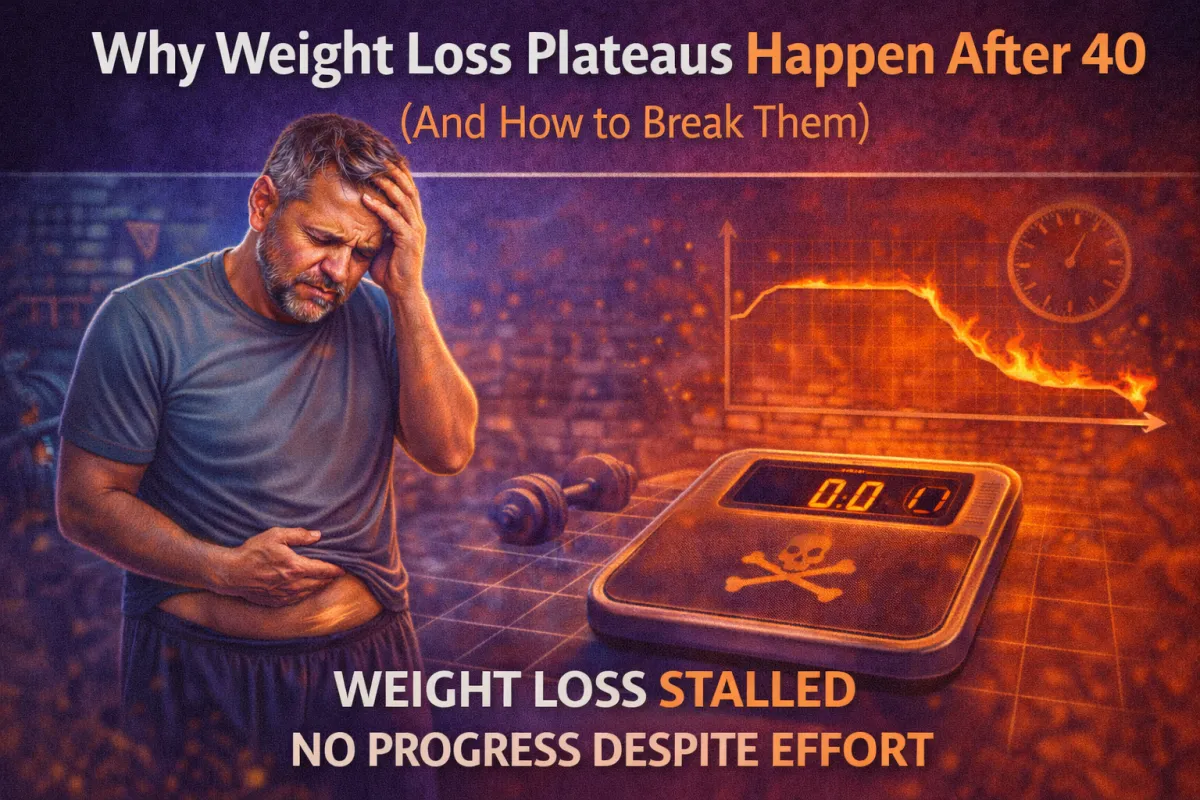
If you’ve already been consistent with how you eat and train, effort is rarely the issue.
Most men who stall aren’t lazy. They’re not undisciplined. They’re not “doing it wrong.”
What’s happening instead is that fat loss is being pushed before the body is ready to respond. When food restriction, fasting, or training intensity increase without restoring stability first, the body adapts defensively.
Energy drops. Hunger rises. Recovery slows. Not because something is broken, but because the system is under pressure.
Over time, the body learns to protect itself rather than cooperate with fat loss. That’s not failure. That’s physiology doing its job.
This is why pushing harder often creates the opposite of what you want. More effort. Less return. The question isn’t how to force weight loss again. The question is what needs to be stabilized first so the system can respond.
That’s where the Metabolic Operating System begins.
The problem isn’t willpower. It’s signal order.
When “doing everything right” stops working, effort is rarely the issue.
If you’ve already been consistent with how you eat and train, you’ve likely applied plenty of discipline.
You’ve followed plans. You’ve pushed harder when progress slowed.
And instead of momentum, you start to notice the same pattern.
Fat loss becomes unpredictable. Energy drops. Hunger feels harder to manage. Recovery doesn’t feel the same.
This isn’t a motivation issue. And it’s not a matter of trying harder.
What’s happening is that fat loss is being pushed before the system is stable enough to support it.
Over time, the body adapts to repeated pressure by prioritizing protection over change.
Not because anything is broken, but because stability comes first.
When metabolic signals fall out of alignment, effort alone stops producing reliable results.
No amount of willpower can force order back into the system.
That doesn’t mean your body has failed you. It means it’s responding exactly as designed under stress.
The real question isn’t how to force fat loss again. It’s what needs to be stabilized first so the system can respond.
That’s the problem the Metabolic Operating System is built to solve.
Rediscover your energy, confidence, and vitality. Wake up feeling stronger, sharper, and more in control—ready to take on life with renewed power.

MOS evaluates four core metabolic switches and restores them in the correct order.
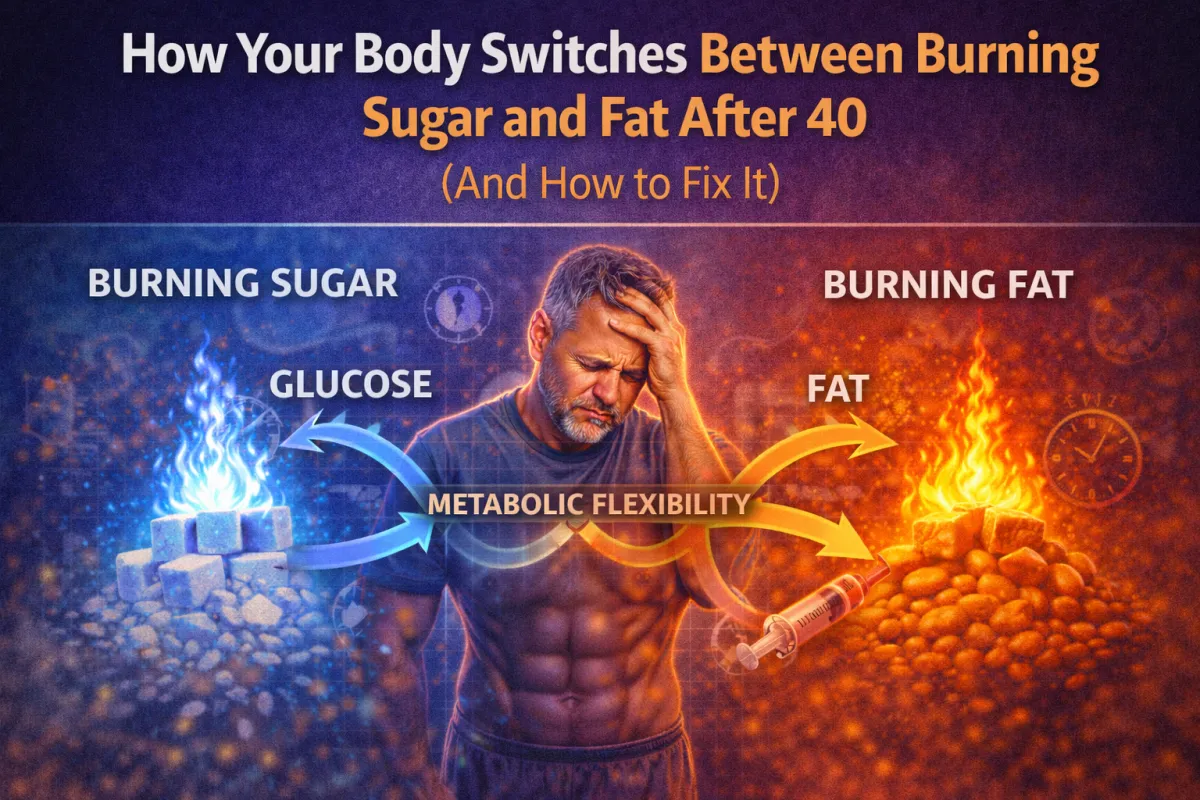
How your body chooses its primary fuel
This switch governs whether your body can smoothly access stored fuel or stays locked into short-term energy use.
When fuel utilization is unstable, hunger and energy become harder to predict.
MOS restores stability here first — before asking the body to change anything else.
How your body chooses its primary fuel
Determines whether your body can access stored fat or relies on quick energy
When unstable, hunger and energy become unpredictable
MOS restores stability here first — before pushing fat loss
How internal signals coordinate change
Reflects how well signals like insulin and cortisol communicate readiness
Under pressure, progress becomes inconsistent
MOS restores signal order instead of overriding the system
How internal signals coordinate change
This switch reflects how well key signals communicate readiness for fat loss versus protection.
Under prolonged pressure, these signals lose coordination and progress becomes inconsistent.
MOS focuses on restoring signal order, not overriding them.
How safe the body feels adapting
This switch determines whether the system has enough recovery capacity to support change.
When stress outweighs recovery, the body prioritizes protection over progress.
MOS rebuilds recovery before increasing demands.
How safe the body feels adapting
Determines whether recovery can support change
When stress outweighs recovery, the body protects instead of progressing
MOS rebuilds recovery capacity before increasing demands
How effectively your metabolism responds long-term
This switch reflects how adaptable and efficient your system becomes over time.
When efficiency is low, more effort produces smaller returns.
MOS improves efficiency gradually — as a downstream outcome, not a starting goal.
How effectively your metabolism responds over time
Reflects how adaptable and efficient your system becomes
When efficiency is low, more effort produces smaller returns
MOS improves efficiency gradually — as a downstream outcome
The issue isn’t that you’re doing the wrong things.
It’s that the switches must come online in the right sequence.
The issue isn’t that you’re doing the wrong things.
It’s that the switches must come online in the right sequence.

Fat loss doesn’t stall because discipline disappears. It stalls because key metabolic systems are being asked to change before they’re stable enough to support it. When fuel utilization, hormonal signaling, and recovery are under pressure, the body prioritizes protection over progress. This isn’t failure — it’s intelligent adaptation.
That’s why the Metabolic Operating System never starts with fat loss. It starts by restoring metabolic stability first. As stability returns:
Fat loss becomes more predictable
Hunger and energy normalize
Hormonal signals regain coordination
Progress follows a clear sequence instead of constant force
This is why pushing harder often backfires — and why the right order restores momentum.
When key metabolic systems are under stress, the body prioritizes protection over fat loss. This isn’t failure.
It’s a normal response to repeated pressure.
That’s why fat loss doesn’t return until metabolic stress is reduced.
When stability is restored:
Fat loss becomes predictable again
Hormonal signals normalize
Hunger and energy stabilize
Progress follows a clear order — not random dieting
This is why MOS never starts with fat loss.
It starts by restoring metabolic stability first.

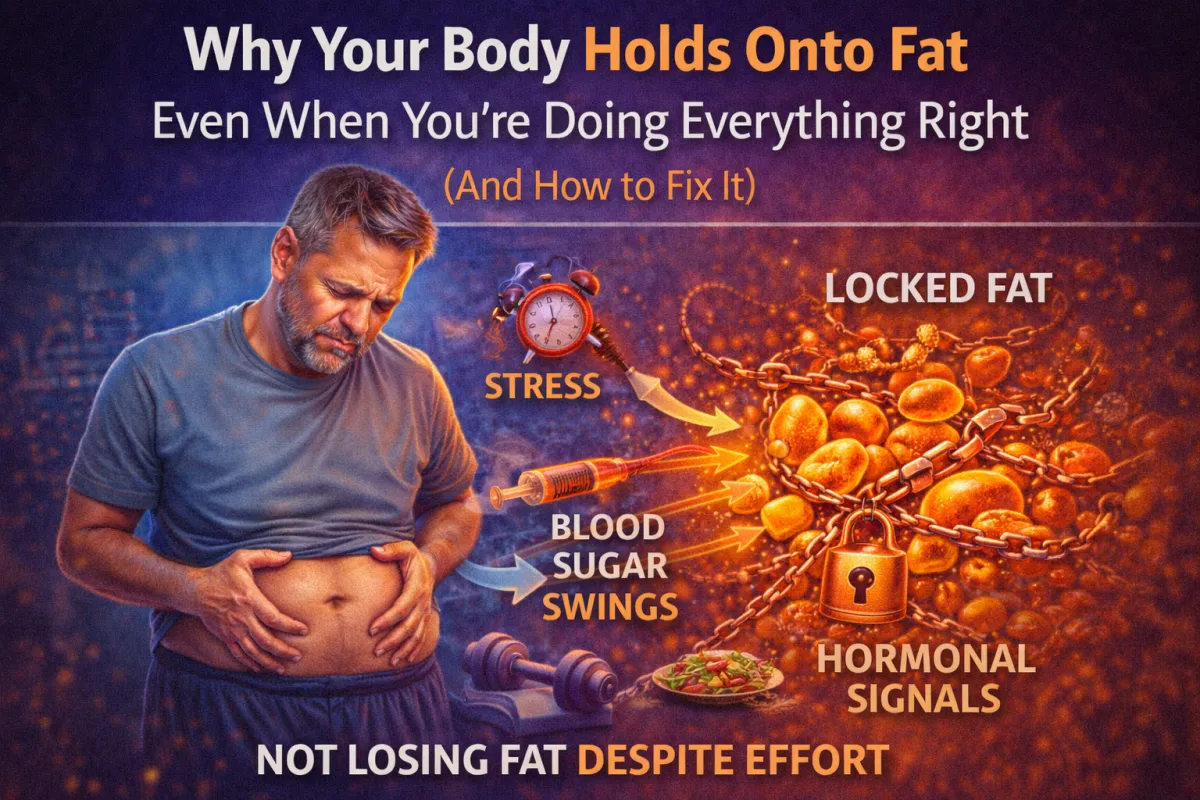
Chronic stress pushes cortisol up. Insulin stays elevated. Appetite hormones lose their rhythm. Your body gets the message: hold on to fat.
You’re not lazy. You’re not undisciplined. You’re not broken.
You’re just stuck in a system that was never built for men over 40.
The truth? It’s not about trying harder — it’s about working smarter with your biology.
As your hormones shift, your metabolism slows, and insulin resistance creeps in… the old methods stop working.
But here’s the powerful truth: With the right strategy — one built specifically for men like you — you can reset your body’s fat-burning system, lose the stubborn belly fat, and finally feel strong, energized, and confident again.
This isn’t a crash diet. It’s a complete metabolic reset. And we’ll guide you every step of the way.
✅ THIS IS FOR YOU IF:
You’re disciplined, but fat loss has stalled
You’ve tried diets, workouts, or fasting with diminishing returns
You feel tired, flat, or “off” even when eating clean
You want predictable results, not constant trial and error
You care about long-term metabolic health — not just the scale
🚫 THIS IS NOT FOR YOU IF:
You’re looking for a quick hack or shortcut
You want extreme restriction or punishment
You want generic plans instead of system-level clarity
You’re unwilling to work with how your body responds
You want fat loss without first restoring stability
The Metabolic Strategy Session isn’t a sales call. It’s a clarity-first conversation to determine what your metabolism actually needs — and in what order.
The Metabolic Strategy Session is not a sales call. It’s a clarity-first conversation to understand what your metabolism actually needs — and in what order.

In the strategy session, we look at how your metabolism has been responding to stress over time. This includes fuel utilization, hormonal signaling, recovery capacity, and overall metabolic efficiency. The goal isn’t to judge effort — it’s to identify which systems are under pressure and why fat loss has become unreliable.
We review your assessment results Then we identify which metabolic switches are under stress. We look at patterns — not symptoms. This is about understanding why fat loss has stalled for you.

Once the problem is clear, we map out the correct order to restore stability. This means identifying what needs support first — and what should not be pushed yet. In many cases, fat loss has stalled because the body is being asked to change before it feels safe to do so. This is where most people finally understand why doing more hasn’t worked.
We map the correct order to restore stability. We explain what should be supported first — and what should not be pushed yet. We remove guesswork and conflicting advice. You leave knowing what matters now — and what doesn’t.

At the end of the conversation, we determine the most appropriate next step based on your physiology and readiness. Some people move into guided implementation. Others are advised to focus on stabilizing key systems first. And in some cases, fat loss is not the immediate priority. There is no obligation. The goal is alignment, not enrollment.
If it makes sense to move forward, we’ll explain how. If it doesn’t, we’ll tell you that too. There is no obligation. The goal is alignment — not enrollment.
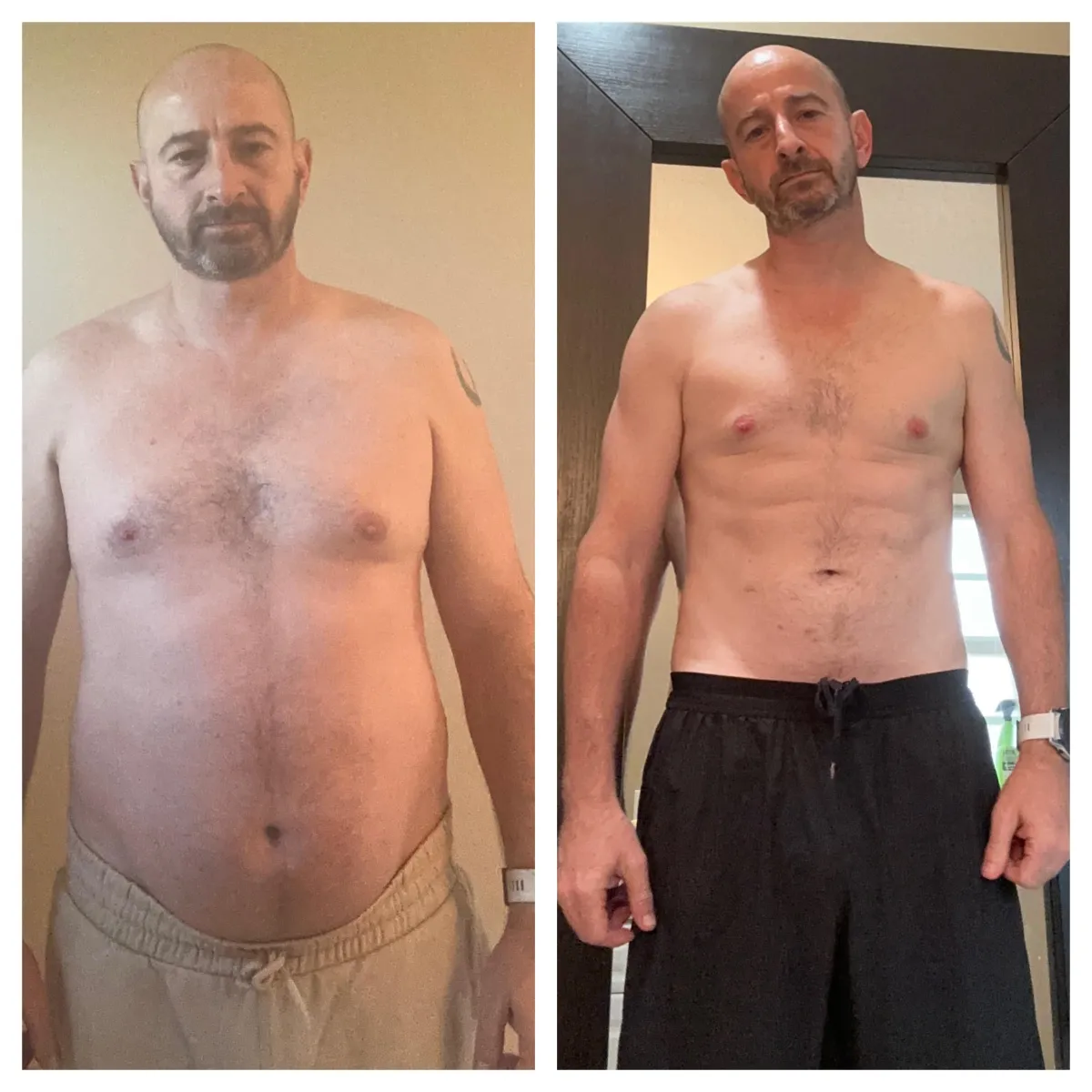
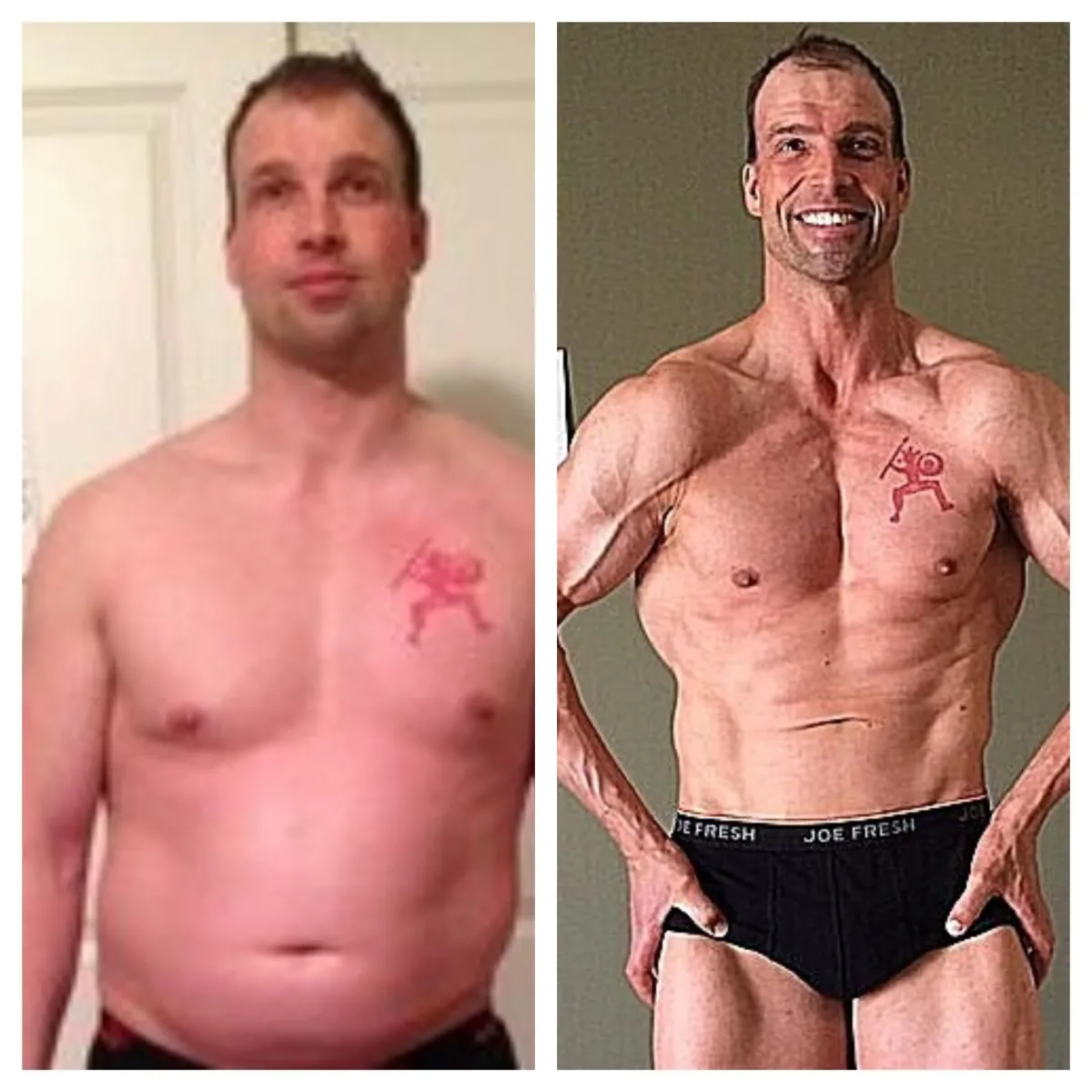
These are individual experiences, not guaranteed outcomes. Results vary based on metabolic stress, readiness, and signal order.


“Once we stopped pushing and focused on fixing what was under stress, my body started responding again. I felt more stable, more energized, and things finally made sense.”


“This wasn’t about another diet. It was about restoring the systems underneath. Once that happened, progress stopped feeling random.”


“For the first time, fat loss didn’t feel like a fight. The focus on stability changed how my body responded.”


“Once we stopped pushing and focused on fixing what was under stress, my body started responding again. I felt more stable, more energized, and things finally made sense.”


“This wasn’t about another diet. It was about restoring the systems underneath. Once that happened, progress stopped feeling random.”


“For the first time, fat loss didn’t feel like a fight. The focus on stability changed how my body responded.”


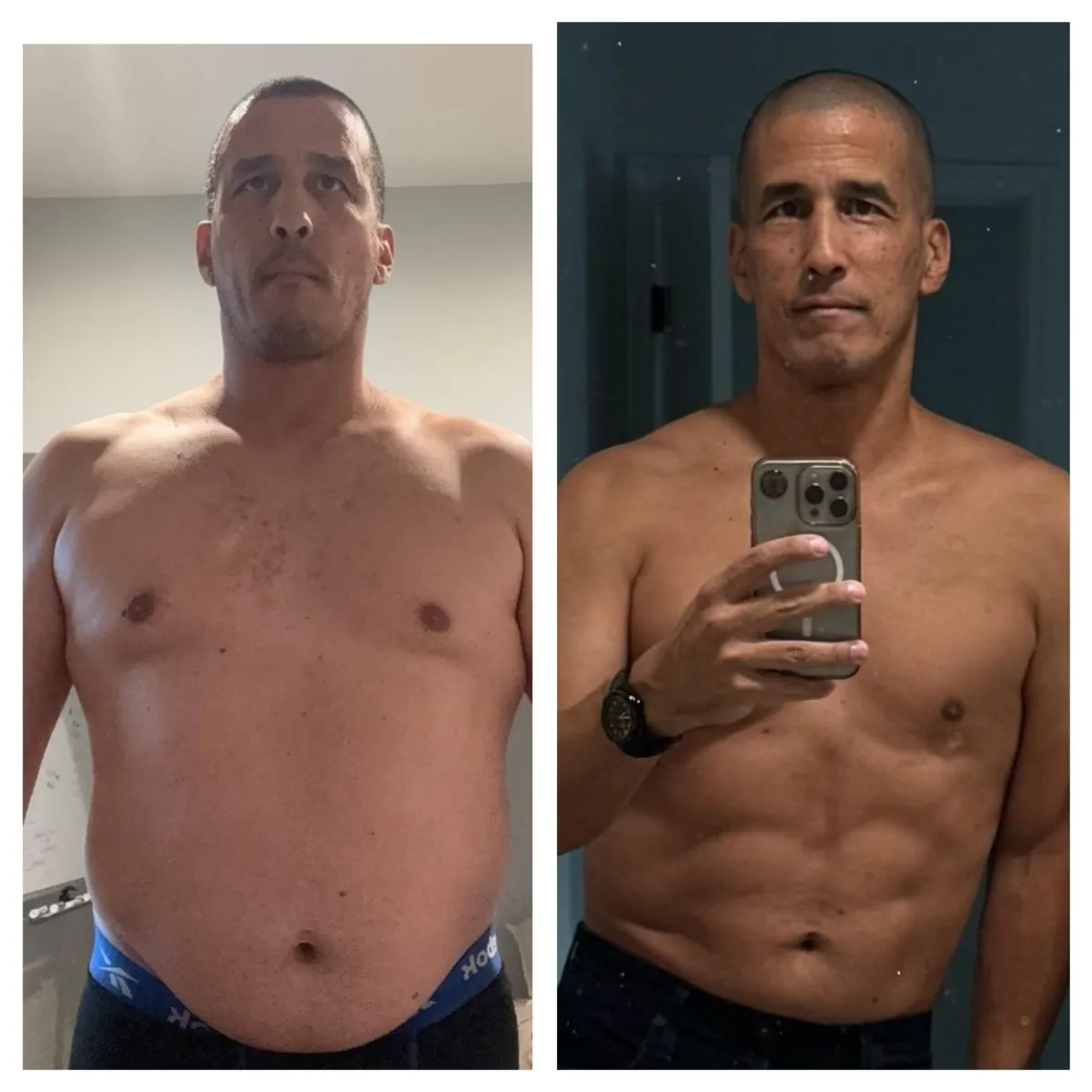
Patrick didn’t need more discipline. He didn’t need a stricter diet or harder training. What he needed was clarity.
Like many men over 40, his metabolism had been under long-term stress. Fuel utilization was unstable.
Recovery was inconsistent. Hormonal signals were out of sync. Fat loss stalled — not because effort was missing, but because the system wasn’t ready.
Once the underlying metabolic stress was identified and addressed in the correct sequence, his body began responding again.
Energy stabilized.
Recovery improved.
Fat loss followed — without forcing it.
This is what the Metabolic Operating System is designed to do: restore signal order so progress becomes predictable again.
If you’ve made it this far, you
Patrick didn’t need more discipline.
He didn’t need another diet.
His metabolism was under stress.
Fuel use was unstable.
Recovery was inconsistent.
Hormonal signals were out of sync.
Fat loss stalled — not because effort was missing, but because the system wasn’t ready.
Once metabolic stress was identified and addressed in the correct sequence, his body began responding again.
Energy stabilized.
Recovery improved.
Fat loss followed — without forcing it.
This is what the Metabolic Operating System is built to do: restore signal order so progress becomes predictable again.